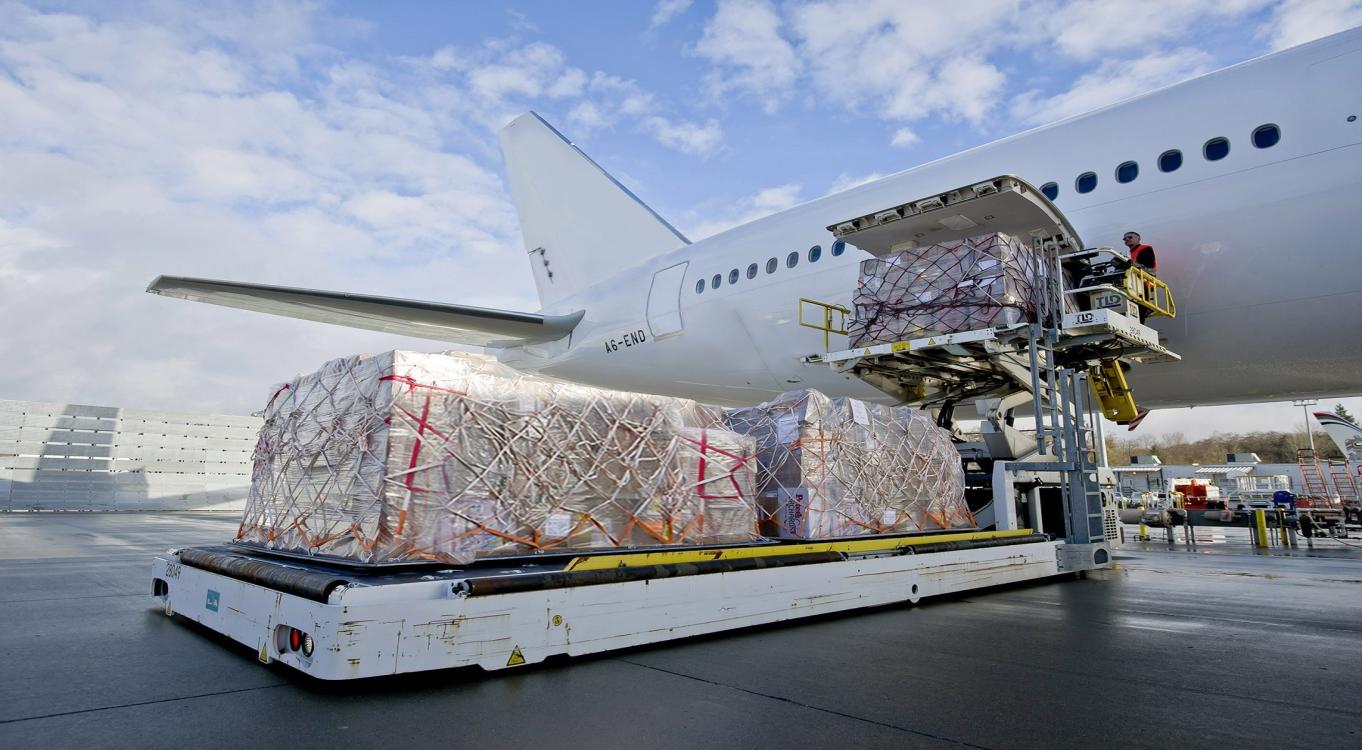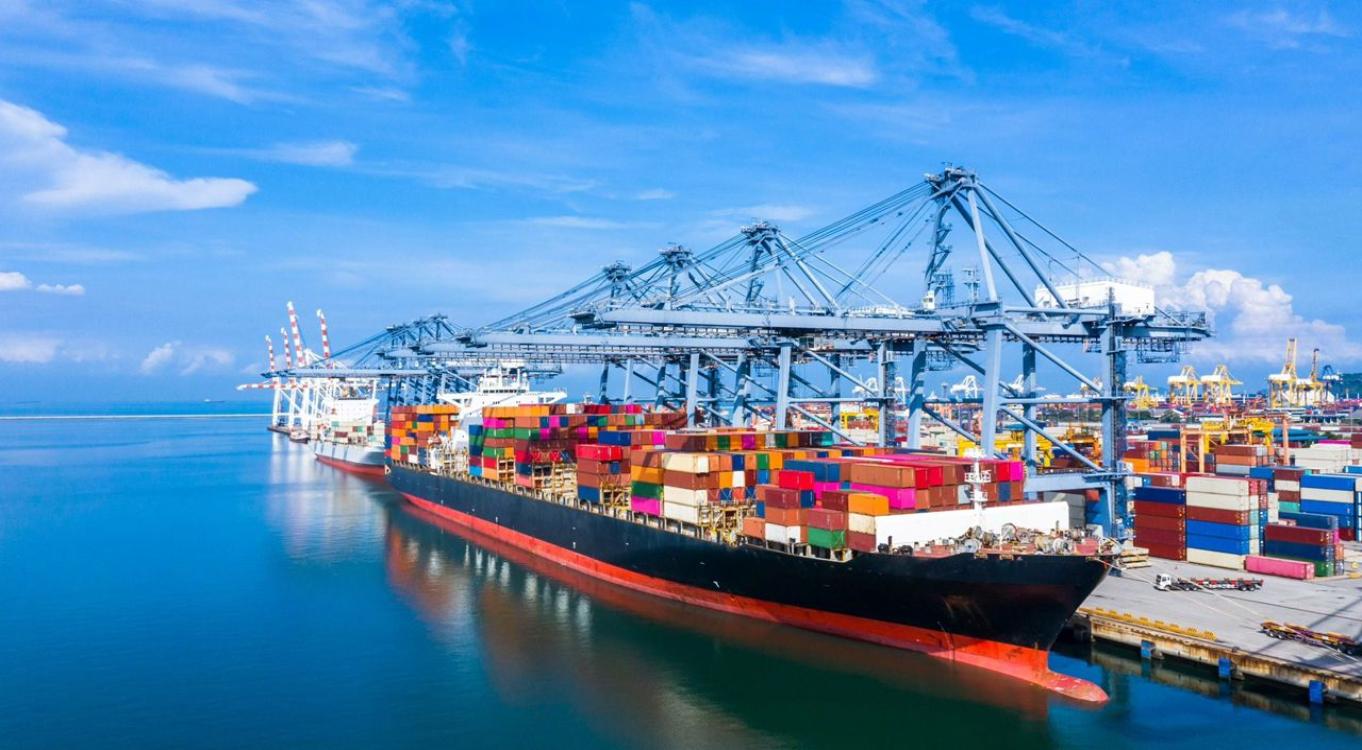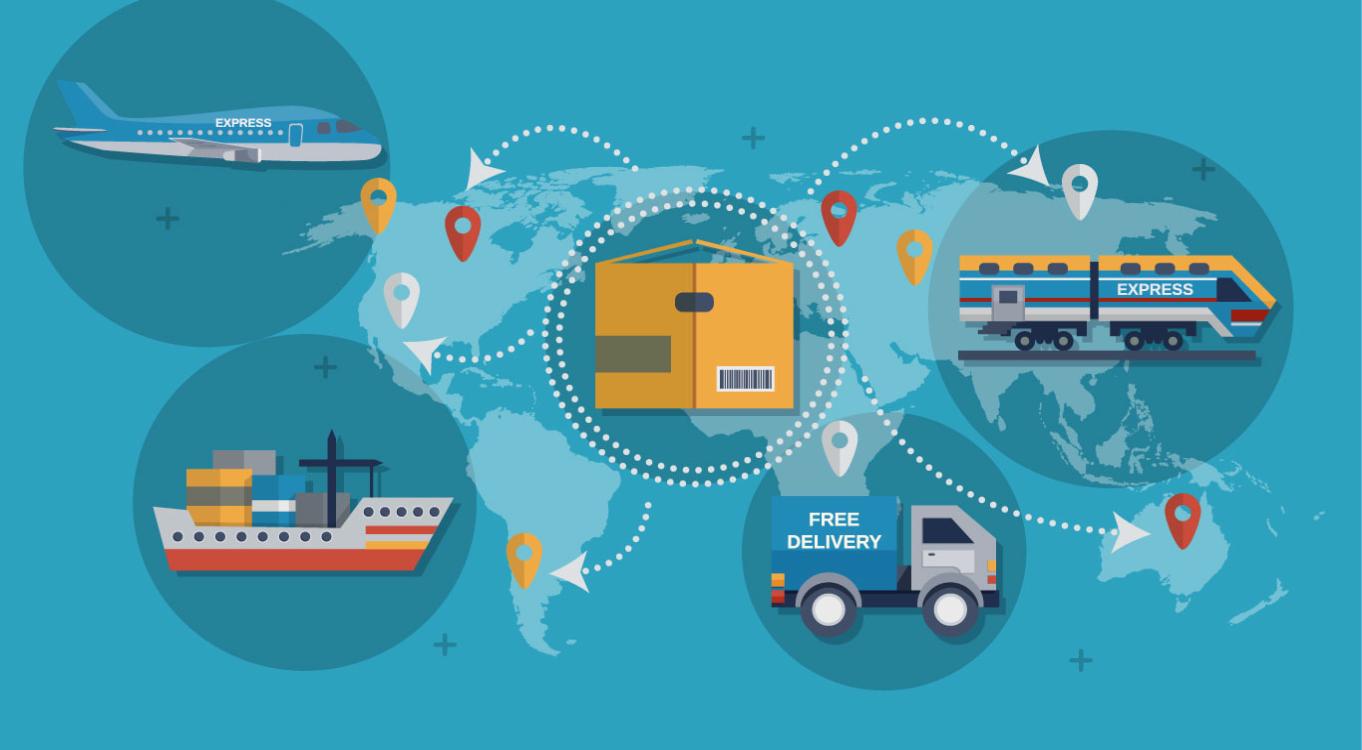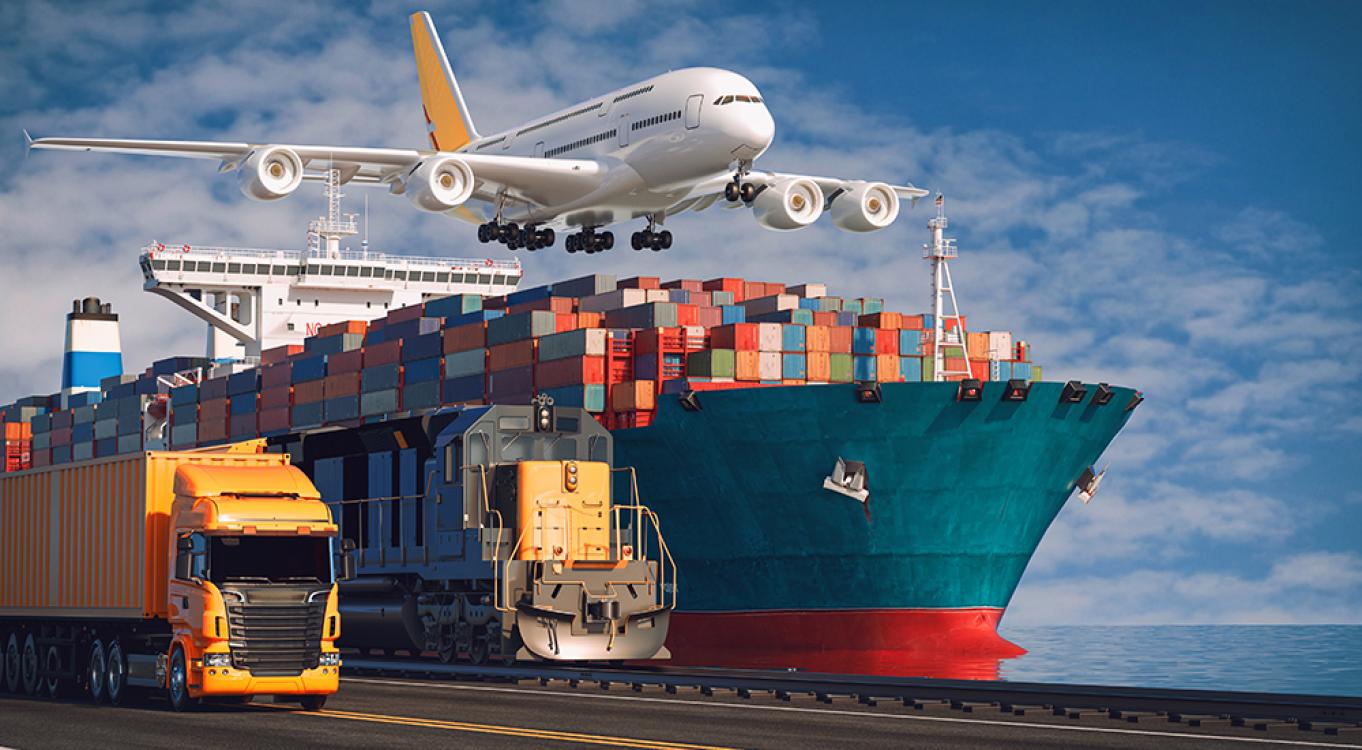
C3K Express Air Cargo is a dynamic logistics company specializing in international import and export services. Connecting businesses worldwide through seamless freight solutions from China, Dubai, and Turkey.
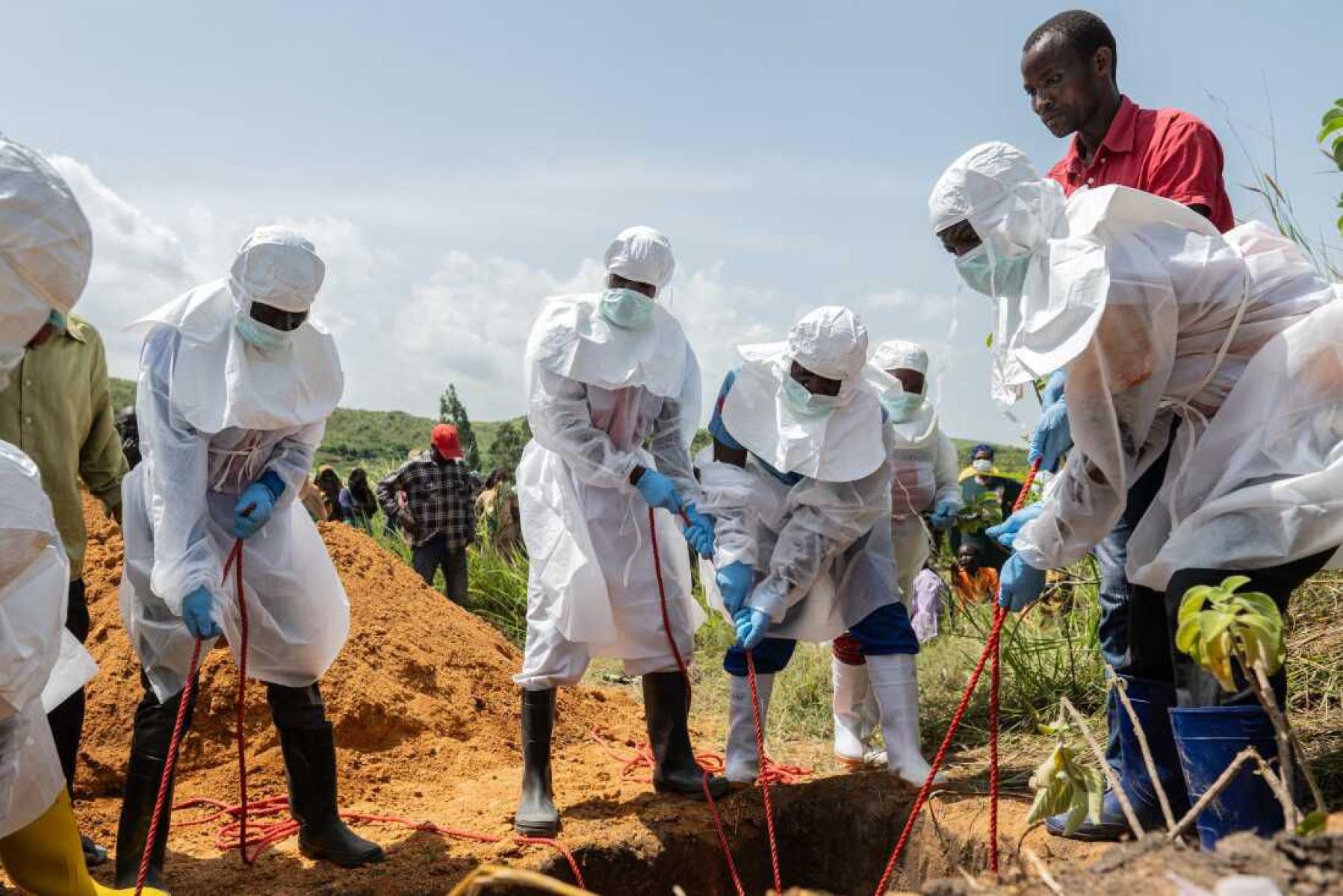
Ebola’s Impact on Procurement and Logistics in Uganda
Overview of Ebola and Supply Chain Challenges
Ebola remains one of the most serious public health concerns in Africa. Beyond its direct impact on human health, outbreaks can significantly affect business operations, supply chains, procurement processes, and logistics services. As companies work to maintain the movement of goods and services, disease outbreaks create unique challenges that require careful planning and resilience.
Uganda has experienced multiple Ebola outbreaks over the years, including the 2022 Sudan Ebola Virus Disease (SVD) outbreak, which was officially declared on 20 September 2022 and ended on 11 January 2023. According to the World Health Organization (WHO), the outbreak resulted in 164 confirmed and 23 probable cases, with 77 deaths across several districts, including Mubende, Kassanda, and Kampala. During such emergencies, government agencies, humanitarian organizations, and private businesses must rapidly adapt procurement and logistics operations to ensure the continued movement of essential goods while protecting public health.
Effects of Ebola on Procurement Operations
During an Ebola outbreak, procurement activities often face disruptions due to movement restrictions, border controls, and heightened health regulations. Businesses may experience:
* Delays in sourcing goods from suppliers.
* Increased transportation and operational costs.
* Limited availability of certain products due to supply shortages.
* Extended lead times for imports and exports.
* Greater demand for health and safety equipment.
For example, during Uganda’s 2022 Ebola outbreak, demand for personal protective equipment (PPE), medical supplies, sanitizers, and screening equipment increased significantly as healthcare facilities and response teams scaled up preparedness efforts. The Uganda Ministry of Health, supported by WHO, UNICEF, and other partners, expanded surveillance, screening, and treatment capacity in affected districts, creating additional demand for emergency medical supplies and logistics support. This surge in demand placed additional pressure on procurement teams to secure reliable suppliers and maintain adequate stock levels.
Organizations are therefore required to strengthen supplier relationships and diversify sourcing options to minimize disruptions.
Impact of Ebola on Logistics and Cargo Operations
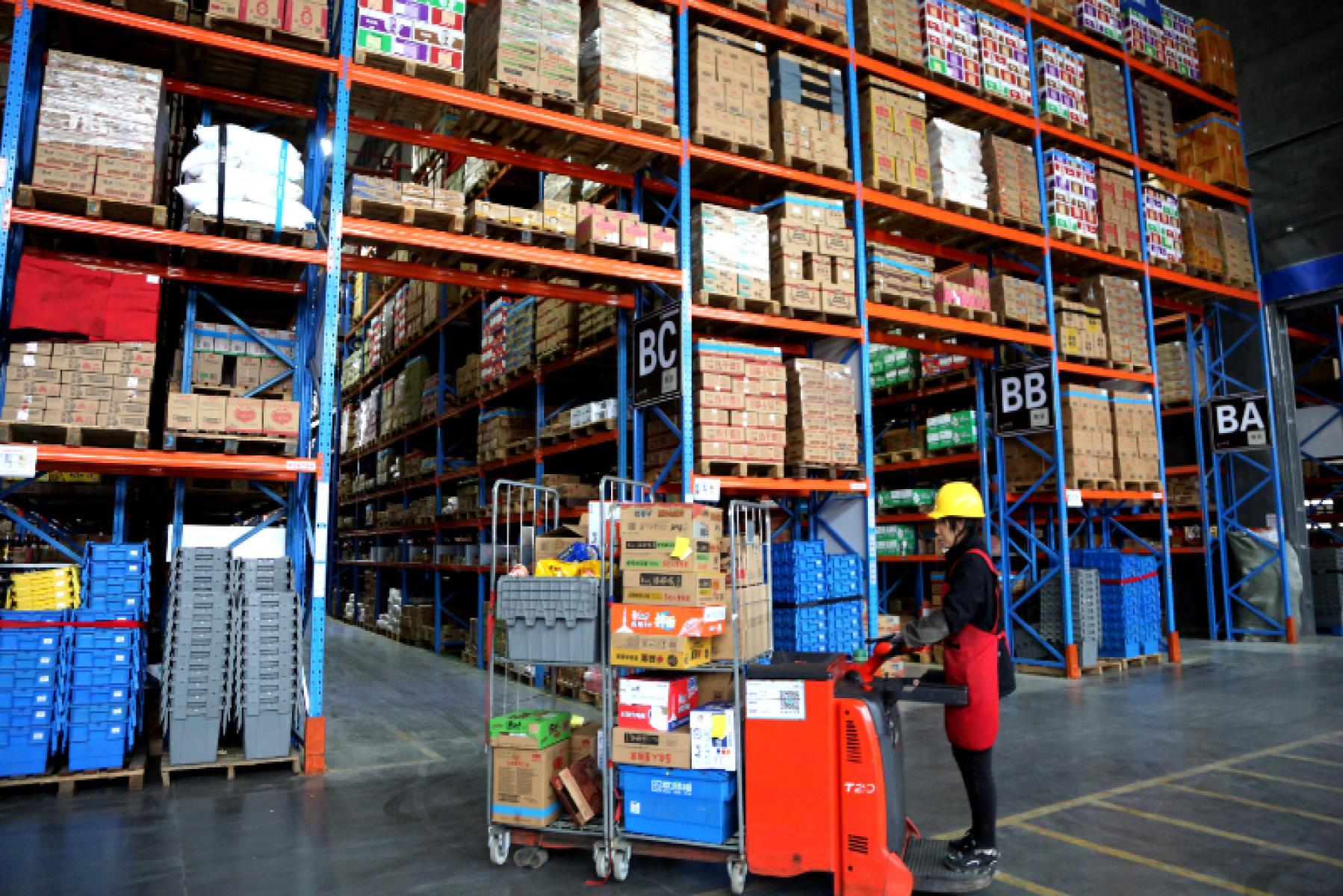
The logistics sector plays a critical role during public health emergencies. However, Ebola outbreaks can affect transportation networks in several ways:
Border and Customs Delays
Health screening procedures at border points and airports may increase clearance times for cargo, leading to shipment delays.
Uganda serves as a key trade corridor for East and Central Africa, connecting markets through border points such as Malaba, Busia, and Elegu. During disease outbreaks, enhanced screening and verification procedures can slow cargo movement, affecting importers, exporters, and regional supply chains. During the 2014–2016 West Africa Ebola epidemic, the World Bank reported that border restrictions and reduced cross-border trade significantly disrupted regional commerce in Guinea, Liberia, and Sierra Leone, demonstrating how health emergencies can affect logistics networks beyond the immediate outbreak zones.
Workforce and Staffing Challenges
Logistics companies may experience staff shortages if employees become ill or if preventive measures limit workplace capacity.
In outbreak situations, organizations often implement staggered shifts, remote coordination, and stricter workplace health protocols to reduce transmission risks. While necessary, these measures can temporarily reduce operational efficiency.
Increased Logistics and Transportation Costs
Additional health protocols, sanitation measures, and protective equipment increase operating expenses for transport and logistics providers.According to a 2021 report by the World Economic Forum and global supply chain analyses conducted during major health emergencies, many logistics operators experienced cost increases ranging from 10% to more than 30% due to enhanced safety requirements, route adjustments, workforce protection measures, and emergency procurement activities. Similar cost pressures have been observed across African transport corridors during disease outbreaks and other public health emergencies.Supply Chain Disruptions and UncertaintyBusinesses may face difficulties predicting delivery schedules due to changing regulations and emergency response measures.For sectors such as pharmaceuticals, agriculture, manufacturing, and retail, even short disruptions can affect inventory availability and customer service levels. The African Development Bank has noted that health emergencies and border-related restrictions can disrupt regional supply chains, particularly for landlocked economies such as Uganda that depend heavily on cross-border transport routes. Companies that rely heavily on single-source suppliers are often more vulnerable during outbreaks.
Building Resilient Procurement and Logistics Systems
To overcome these challenges, procurement and logistics organizations should focus on:
* Developing contingency plans.
* Maintaining strong communication with suppliers and customers.
* Investing in digital tracking and supply chain visibility.
* Strengthening health and safety measures for staff.
* Diversifying transportation and sourcing channels.
Many organizations in Uganda have increasingly adopted digital procurement systems, inventory monitoring tools, and real-time shipment tracking to improve visibility and respond more effectively during disruptions. According to the Uganda National Information Technology Authority (NITA-U) and various private-sector digital transformation initiatives, the adoption of digital business and logistics tools accelerated significantly after 2020, helping organizations improve operational resilience and supply chain transparency.The Role of Logistics Companies During Ebola OutbreaksProfessional logistics providers serve as vital links between suppliers, businesses, and consumers during challenging periods. Through careful planning, compliance with health guidelines, and efficient cargo management, logistics companies help ensure that essential goods continue reaching their destinations.
During Ebola response efforts, logistics providers often support the transportation of medical supplies, laboratory equipment, emergency relief materials, and critical imports needed by healthcare facilities and humanitarian agencies. During the 2022 Uganda outbreak, WHO and partner organizations coordinated the movement of diagnostic equipment, treatment supplies, and emergency response materials to affected districts, highlighting the importance of reliable logistics networks. Their ability to maintain efficient cargo movement is essential for both public health response and economic continuity.
Conclusion: Preparing for Future Ebola-Related Supply Chain Challenges
While disease outbreaks create significant challenges, they also highlight the importance of resilient procurement and logistics systems. Lessons learned from Uganda’s previous Ebola outbreaks and the wider 2014–2016 West Africa Ebola epidemic—which the World Bank estimated caused economic losses exceeding US$2.8 billion across Guinea, Liberia, and Sierra Leone—demonstrate the value of preparedness, supplier diversification, and strong logistics partnerships. Businesses that invest in these capabilities are better positioned to navigate uncertainty and maintain service continuity.
At C3K Express Air Cargo, we remain committed to supporting businesses with reliable cargo solutions, professional logistics management, and efficient supply chain services that help our clients stay connected in a changing world.
📞 +256767336348 | +256742882075
✉️ info@c3kexpressaircargo.com
C3K Express Air Cargo – Services Beyond Limits.
Aug 05, 2026

Jul 29, 2026
Jul 22, 2026
Jul 14, 2026
Speak directly with our clearance and shipping specialists today.
Online - Ready to connect!